


What Are Free Radicals?, just the very act of living–breathing, eating, and building up and breaking down the tissues and structures that make up your body–generates free radicals. These free radicals are necessary for many reactions that occur in your body, but if not precisely controlled, these free radicals can cause problems. The reason is because free radicals are highly reactive, and as such can cause damage to anything close to them. This damage, if not repaired, can lead to permanent changes in your body and what you eventually see as a less efficiently operating system that ages and potentially even develops disease or cancer. The more free radical damage that occurs, the more likely this is to happen.
What Are Antioxidants?
Antioxidants are molecules that help control free radicals and prevent free radical damage before it occurs. For highly reactive free radicals to stabilize, they must grab electrons from other molecules. That's what antioxidants are able to do: donate electrons to free radicals to stabilize them, without the antioxidants themselves becoming unstable. As such, antioxidants stop free radicals from generating additional free radicals (and propagating free radical damage throughout your body), thereby preventing the damage that might otherwise have occurred. Free radical reactions happen continuously in all parts of your body, so as you can imagine, having antioxidants present to mitigate this damage is extremely important for a properly functioning organism.
Examples Of Antioxidants
There are a variety of different types of antioxidants, including vitamins, enzymes , and other classes of molecules.
Vitamins
Vitamin antioxidants include Vitamin A, Vitamin C, and Vitamin E.
Enzymes
Antioxidant enzymes include glutathione , superoxide dismutase, and coenzyme Q10 (ubiquinol).
Others
Some other types of antioxidants are carotenes (including carotenoids such as lycopene and beta-carotene, and xanthophylls including astaxanthin , zeaxanthin, and lutein), polyphenols (including tannins, flavonols such as quercitin, catechins such as epigallocatechin-3-gallate, cinnamic acids, and many other classes), and alpha-lipoic acid (ALA)
Vitamins, carotenes, polyphenols, and many other antioxidants exist in foods. Lipoic acid exists in very low concentrations in food and is made in your body as well. But enzymes are generally only assembled in your body. Oftentimes, however, these enzyme antioxidants need cofactors to function. Glutathione uses selenium, superoxide dismutase uses zinc, and other antioxidant enzymes use different element cofactors including copper and manganese, which makes these essential minerals in your diet important to the functioning of your normal antioxidant systems.
Sources Of Antioxidants
The antioxidants that you ingest in foods come from many different sources:
Vitamin A
Liver, sweet potatoes, butter, cheese, carrots, broccoli, and spinach.
Featured Product
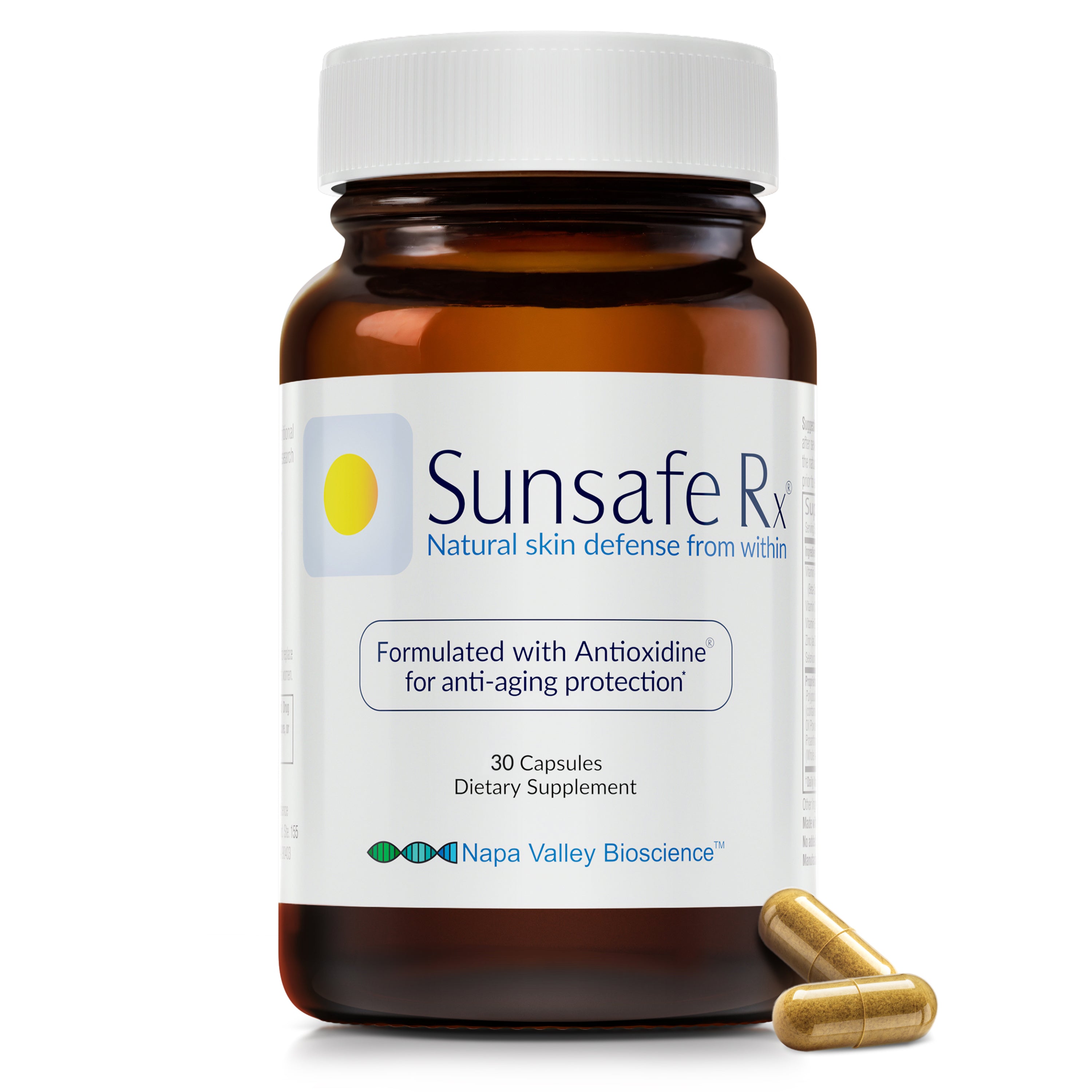
Sunsafe Rx: Natural Anti-Aging Protection
Sunsafe Rx is made with ingredients clinically proven to protect your skin and eyes. One capsule per day provides natural, anti-aging protection and improves the appearance of your skin. Empower your skin from within—while supporting the health of your whole body. This is next-generation skincare. This is Sunsafe Rx.
Vitamin C
Red peppers, guavas, broccoli, oranges, lemons, pineapples, cauliflower, kale, and cantaloupe
Vitamin E
Nuts, oils from nuts, olive oil, avocados, and some green leafy vegetables
Carotenes
Sweet potatoes, carrots, cantaloupe, tomatoes, broccoli, spinach, kale, beets, and many other colorful fruits and vegetables
Polyphenols
Tea, fruits and vegetables, chocolate, olives, grapes, olive oil, wine, nuts, herbs, and spices
Enzymes
For enzymatic antioxidants, while they are assembled in your body, they are made from amino acids. As such, you need good protein sources to provide the essential amino acids you don't make in your body in order to produce these enzymes at optimal concentration. You also need to ingest the enzymes' mineral cofactors. Good sources of protein include meat, dairy, eggs, beans, and nuts. Good sources of zinc, selenium, iron, and copper are also found in meat, liver, most nuts, black beans, and some leafy green vegetables.
You might be interested in: What is Sunburn?
Antioxidants In Plants
Plants derive their energy from sunlight via photosynthesis, which generates free radical byproducts call reactive oxygen species. Because both the ultraviolet light from the sun and the reactive oxygen species generated during photosynthesis would cause irreparable damage, plants produce antioxidants to protect themselves. It is these same antioxidants–vitamins, polyphenols, carotenoids, xanthophylls, and others–in plants that you are able to absorb and use in your own body to protect you from the free radicals generated in your own body. These antioxidants are necessary to protect you from both the free radicals you normally generate via metabolism, and other sources of free radicals such as environmental stressors.
Health Benefits
There's a free radical theory of aging that says it is free radical damage that causes irreparable harm to your body, and this free radical damage manifests itself as aging. In other words, the more you slow down free radical damage, the slower you age. This is accomplished from two sides: avoiding or preventing the production of oxidants (things that oxidize, such as free radicals), and preventing damage from free radicals (via antioxidants). Antioxidants, it seems, can help you live longer and healthier.
There is some evidence to support this. People who eat fruits and vegetables have a lower risk of disease and dementia. There is also strong evidence that a diet high in vegetables, and fruit, may lower the risk of cancer. Vitamins, of course, are essential for health and vitamin deficiencies can lead to diseases. Vitamin A aids vision, immune function, metabolism, reproduction, and skin health. Vitamin C is essential for the synthesis of collagen and many other structures in your body. Vitamin E also contributes to skin and eye health and has a number of other functions.
Carotenes and polyphenols have shown a variety of other benefits: supporting immune function, protecting your brain, stabilizing blood sugar levels, preventing DNA damage, reducing inflammation, relieving arthritis pain, lowering blood pressure, and many other benefits.
In the eye, the xanthophylls lutein, zeaxanthin, and astaxanthin can all absorb light to help protect the macula of your retina from ultraviolet radiation.
Carotenes and polyphenols have also been shown to prevent redness and support your skin during sun exposure. You can find a little research on antioxidants that promote your defenses against the effects of sun exposure here: Antioxidants For Supplemental Sun Support
Conclusion
You need antioxidants to prevent free radical damage and lead a healthy life, and obtaining a variety of antioxidants from different foods in a healthy diet seems like a wise choice.
Frequently Asked Questions
Q1. What are antioxidants and why are they important for health?
Antioxidants are compounds that help protect the body's cells from damage caused by free radicals, which are unstable molecules produced during normal metabolism and environmental exposure. When free radicals build up, they can lead to oxidative stress, which is linked to aging and various chronic diseases. Antioxidants neutralize these harmful molecules and support overall health.
Q2. How do antioxidants work in the body?
Antioxidants work by stabilizing free radicals, preventing them from damaging cells, proteins, and DNA. They act as "free radical scavengers," reducing oxidative stress and helping maintain cellular balance. This protective mechanism supports essential bodily functions and may lower the risk of diseases associated with long-term cellular damage.
Q3. What are the best sources of antioxidants?
Antioxidants are mainly found in plant-based foods such as fruits, vegetables, nuts, seeds, and whole grains. Foods like berries, leafy greens, citrus fruits, and tea are especially rich in antioxidant compounds such as vitamin C, vitamin E, and flavonoids. A varied and colorful diet ensures a wide range of antioxidants for better overall health.
Q4. Can antioxidants help prevent diseases?
Research suggests that antioxidants may help reduce the risk of certain diseases by protecting cells from oxidative damage. Studies have linked antioxidant-rich diets to lower risks of heart disease, inflammation, and some cancers. However, results can vary, and overall lifestyle factors such as diet and exercise also play a significant role in disease prevention.
Q5. Should you take antioxidant supplements or get them from food?
Most experts recommend getting antioxidants from natural food sources rather than supplements. Whole foods provide a balanced combination of nutrients that work together for better absorption and effectiveness. High-dose supplements may not provide the same benefits and, in some cases, could pose risks if taken excessively without medical advice.
Written by Sunsafe Rx Team |


